Structured Data and Zero-Click Real Estate: How US Casino Operators Can Stop Being Invisible to Google's Featured Snippets
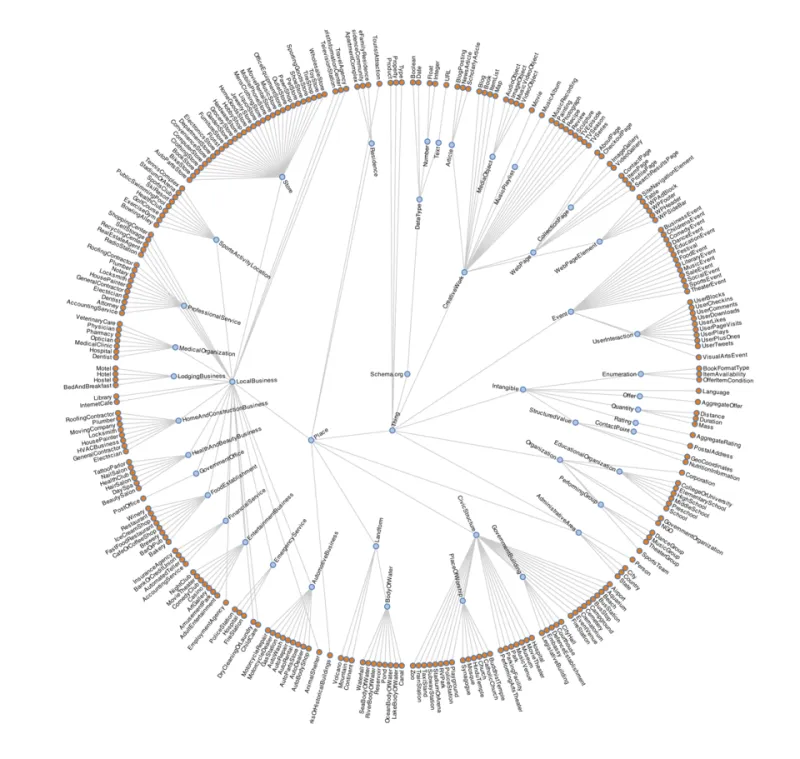
Photo: Dan Brickley from Amsterdam, The Netherlands, CC BY 2.0, via Wikimedia Commons
In the increasingly competitive landscape of US online gambling search, winning a top-ten ranking is no longer sufficient. The operators who dominate organic discovery in 2024 are not merely ranking—they are owning the answer box, the FAQ accordion, and the review star cluster that sits above every other result. These are the zero-click placements that convert before a user ever visits a site, and they are governed almost entirely by one underutilized discipline: structured data implementation.
For most US casino operators, schema markup remains an afterthought. It is applied inconsistently, validated infrequently, and almost never tailored to the specific content categories that define the gaming vertical. The result is a persistent invisibility problem: sites with strong domain authority, well-optimized content, and legitimate regulatory standing are systematically bypassed in featured snippet competitions by competitors—often less scrupulous ones—who have simply done the technical groundwork.
This article addresses that gap directly.
Why Schema Markup Is Structurally Different for Gaming Operators
Before examining specific implementation failures, it is worth understanding why structured data presents a unique challenge for regulated casino sites in the United States.
First, gaming content is inherently dynamic. Promotional offers change weekly. Bonus terms carry legal qualifiers that shift by jurisdiction. Review aggregations must reflect verified player feedback rather than curated testimonials. Each of these content types has a corresponding schema vocabulary—Offer, FAQPage, Review, AggregateRating—but applying them correctly within a compliance framework requires deliberate coordination between technical SEO teams and legal counsel.
Second, Google's guidelines for schema markup explicitly prohibit misleading or manipulative structured data. For casino operators who already operate under heightened regulatory scrutiny, an improperly implemented schema claim—such as an inflated star rating or an expired promotional offer marked as current—carries dual risk: a manual action from Google and a potential compliance violation under state advertising standards.
This dual exposure is precisely why many operators either avoid schema altogether or implement it so conservatively that it generates no discernible SERP benefit.
The Four Schema Types That Matter Most for US Casino Sites
Not all schema vocabularies are equally relevant to the gaming vertical. Operators should prioritize implementation across four core types.
FAQPage Schema is arguably the highest-value opportunity available to casino sites right now. Google surfaces FAQ accordions prominently in search results for informational and transactional queries alike—exactly the query types that dominate casino search volume. Pages covering deposit methods, withdrawal timelines, bonus eligibility rules, and responsible gambling policies are natural candidates. The critical implementation detail is that each question-and-answer pair must reflect content that genuinely exists on the page in visible, crawlable form. Injecting FAQ schema for content that only exists in the structured data itself is a policy violation that invites penalties.
Review and AggregateRating Schema drives the star-rating displays that materially influence click-through rates on casino comparison and review pages. The compliance requirement here is significant: Google mandates that aggregate ratings reflect reviews written by actual users of the product or service being rated, not editorial assessments by the site owner. Operators running their own review content—as opposed to aggregating third-party player feedback—must structure that content carefully to remain within policy boundaries while still qualifying for rich result display.
Offer Schema enables structured representation of promotional content—welcome bonuses, deposit match percentages, free spins offers—in a format Google can parse and, in some contexts, surface directly in search results. The implementation challenge for regulated operators is ensuring that schema-encoded offer terms remain synchronized with the live promotional content on the page. An expired offer marked as active in schema is one of the most common compliance-and-SEO failure points in the gaming vertical.
BreadcrumbList Schema is less glamorous but consistently undervalued. For large casino sites with complex category architectures—game verticals, payment method pages, state-specific landing pages—proper breadcrumb markup improves how Google interprets site hierarchy and can enhance the URL display in search results, contributing to both click-through rates and crawl efficiency.
A Technical Audit of Common Schema Errors in the Gaming Vertical
Across a representative sample of regulated US casino sites, several recurring schema errors emerge with notable frequency.
Orphaned Schema Blocks: Structured data is implemented on a page but the corresponding visible content has been removed or relocated during a site redesign. Google's Rich Results Test will flag these as errors, and they actively suppress rich result eligibility.
Stale Offer Dates: validThrough properties in Offer schema that reference past dates are among the most common technical errors on casino promotional pages. These should be managed programmatically, not hardcoded, to ensure real-time synchronization with the promotional calendar.
Nested Review Errors: Sites that aggregate player reviews often implement Review schema incorrectly by nesting it within Product schema rather than the appropriate LocalBusiness or WebSite entity type. This structural mismatch prevents rich result eligibility even when the underlying content is compliant.
Missing mainEntity Declarations: FAQ schema that lacks a proper mainEntity connection to the parent page frequently fails to trigger accordion displays despite passing validation. This is a particularly common error on pages built with generic CMS plugins that generate schema without page-level context awareness.
Duplicate Schema Injection: Sites using both a CMS plugin and a custom implementation layer often end up with duplicate schema blocks for the same content type. Google does not aggregate duplicate declarations—it typically ignores them or selects the less complete version.
Step-by-Step Fixes That Preserve Compliance Integrity
Correcting these errors does not require a full technical overhaul. The following sequence represents an efficient remediation path for most US casino operators.
Step one is a full schema inventory using Google Search Console's Rich Results report combined with a site-wide crawl through a tool such as Screaming Frog configured to extract JSON-LD blocks. This produces a complete map of what schema exists, where it lives, and which implementations are generating errors or warnings.
Step two is a content-schema alignment audit. For every page carrying structured data, verify that the schema claims are supported by visible, crawlable on-page content. Any schema element without a corresponding visible content anchor should be removed or the page content updated to match.
Step three is a promotional schema synchronization review. All Offer schema should be connected to a content management workflow that automatically updates validFrom and validThrough properties when promotional terms change. This is non-negotiable for operators in states with active advertising compliance oversight.
Step four is entity clarification. Ensure that the site's primary entity type—whether Organization, LocalBusiness, or a custom gaming-relevant type—is consistently declared in the sitewide schema and that all review and rating schema references that entity correctly.
Step five is ongoing monitoring. Schema errors introduced through CMS updates, template changes, or plugin conflicts are routine. A monthly validation pass through Google's Rich Results Test for high-priority pages, combined with automated Search Console alerting, is the minimum viable monitoring posture.
The Competitive Advantage of Getting This Right
The operators who execute structured data correctly in the US gaming market gain something their competitors cannot easily replicate in the short term: consistent, visible presence in the zero-click layer of search. Featured snippets, FAQ accordions, and review star clusters do not merely drive incremental traffic—they establish perceived authority at the moment of highest user intent.
For a sector in which brand trust is a primary conversion driver and regulatory credibility is a meaningful differentiator, that visibility carries outsized commercial weight. The schema markup divide is real, and it is widening. The operators who close it now will find themselves occupying search real estate that is genuinely difficult to displace.